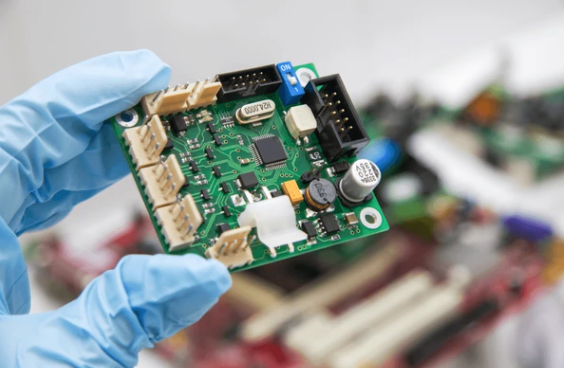
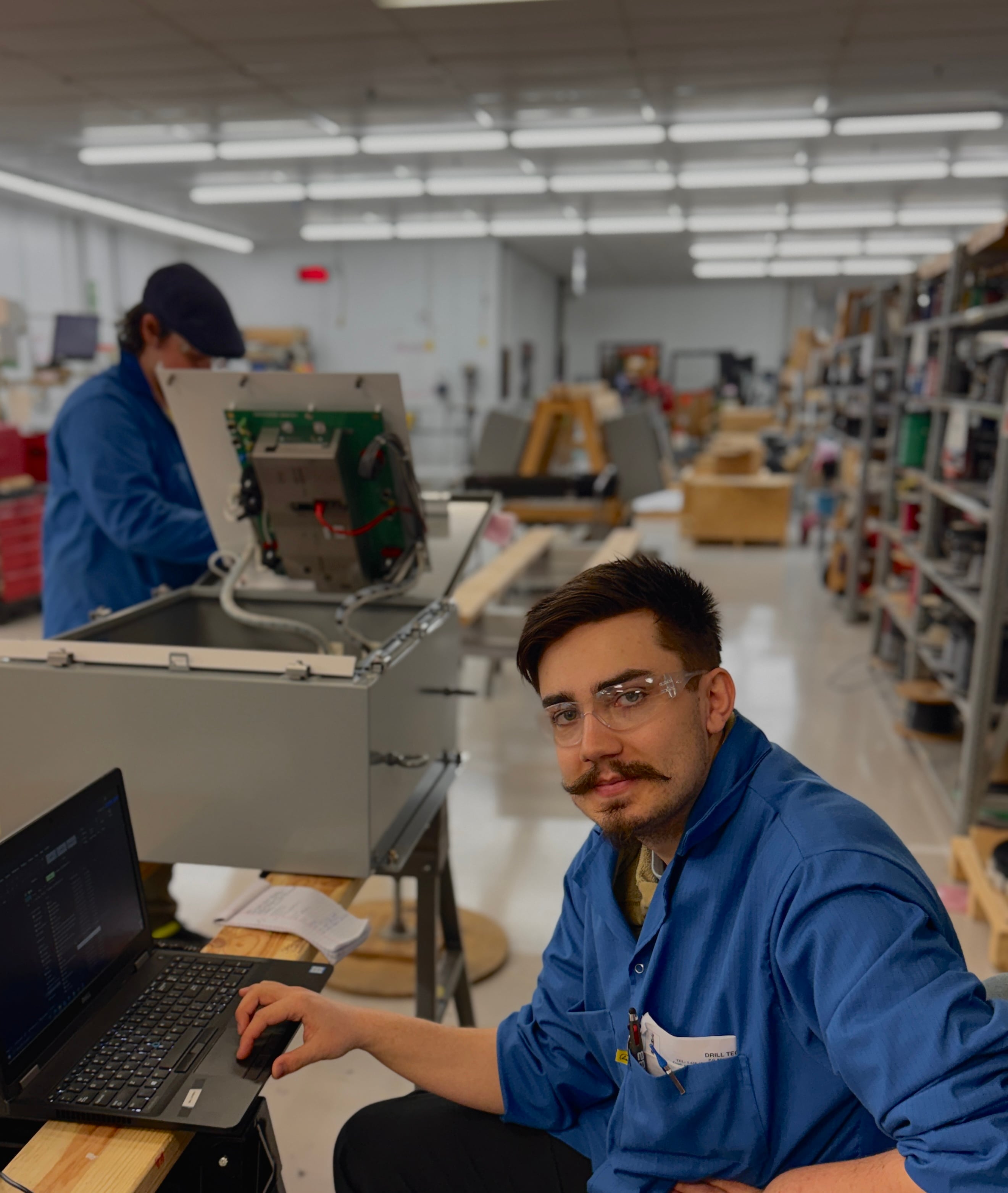
When Will O'Neil joined RBB earlier this year as a Test Technician, he stepped into a world that was both familiar and completely new. With a background in electronics repair, robotics, computers, cash registers, and fire alarm systems, he had spent years working around technology. But electronics manufacturing was an entirely different experience.
Employee Spotlight: Will O'Neil on Learning, Innovation, and the Future of Electronics Manufacturing
Every contract manufacturer looks good when everything is going according to plan. The real test comes when it isn't.
-
Production schedules shift.
-
Demand increases unexpectedly.
-
Lead times become compressed.
-
Quality concerns emerge.
-
Engineering changes need immediate attention.
These moments reveal the difference between a supplier and a true PCBA manufacturing partner.
Why Trying a New Manufacturing Supplier Doesn't Have to Be Risky
For many manufacturers, finding a better supplier isn't the difficult part. Making the change is.
Even when a current supplier struggles with communication, quality issues, inconsistent delivery, or limited capacity, purchasing and operations teams often hesitate to move a project.
The concern isn't finding another supplier. The concern is introducing new risk.
Quality Isn't Enough: Why Manufacturers Need Stability, Repeatability, and Engineering Support
When evaluating a manufacturing partner, quality is often the first requirement. And it should be.
But for companies managing production schedules, client commitments, and supply chain risk, quality alone isn't enough.
The real question is simple.
This August, RBB is heading out on the road to connect with industry peers and partners at two upcoming SMTA regional events. As a long-standing partner in electronics manufacturing, we’re looking forward to engaging with attendees, sharing our capabilities, and discussing how we support a wide range of assembly needs.
When evaluating manufacturing suppliers, most companies start with price. But after the purchase order is placed, a different set of questions becomes much more important:
- Will they communicate when issues arise?
- Will they hit their delivery commitments?
- Can they consistently meet quality requirements?
- Will they be responsive when priorities change?
If you've been purchasing electronic components over the past few years, you've probably become accustomed to hearing about supply chain challenges. The good news is that what we're seeing today is very different from the widespread shortages that disrupted the industry during the pandemic.
That said, there are some trends worth paying attention to.
Navigating PCB Supply Chain Disruptions in 2026: What Manufacturers Need to Know
The global electronics industry is once again facing significant supply chain turbulence — this time driven by escalating conflict in the Middle East and resulting shortages of critical raw materials used in printed circuit board (PCB) fabrication.
At RBB, we believe in keeping our clients informed so they can make proactive decisions that protect production schedules and minimize risk. While the industry has weathered disruptions before, current market conditions are creating new challenges that could impact PCB lead times, pricing, and material availability throughout 2026.
Some companies maintain standards. At RBB, we move heaven and earth to raise them.
On May 13, 2026, RBB officially received its AS9100 certification following the successful completion of the audit process — a major milestone that reinforces the company’s commitment to quality, reliability, and continuous improvement in aerospace and defense manufacturing.