
More production hours. More flexibility. More capacity to support our clients.
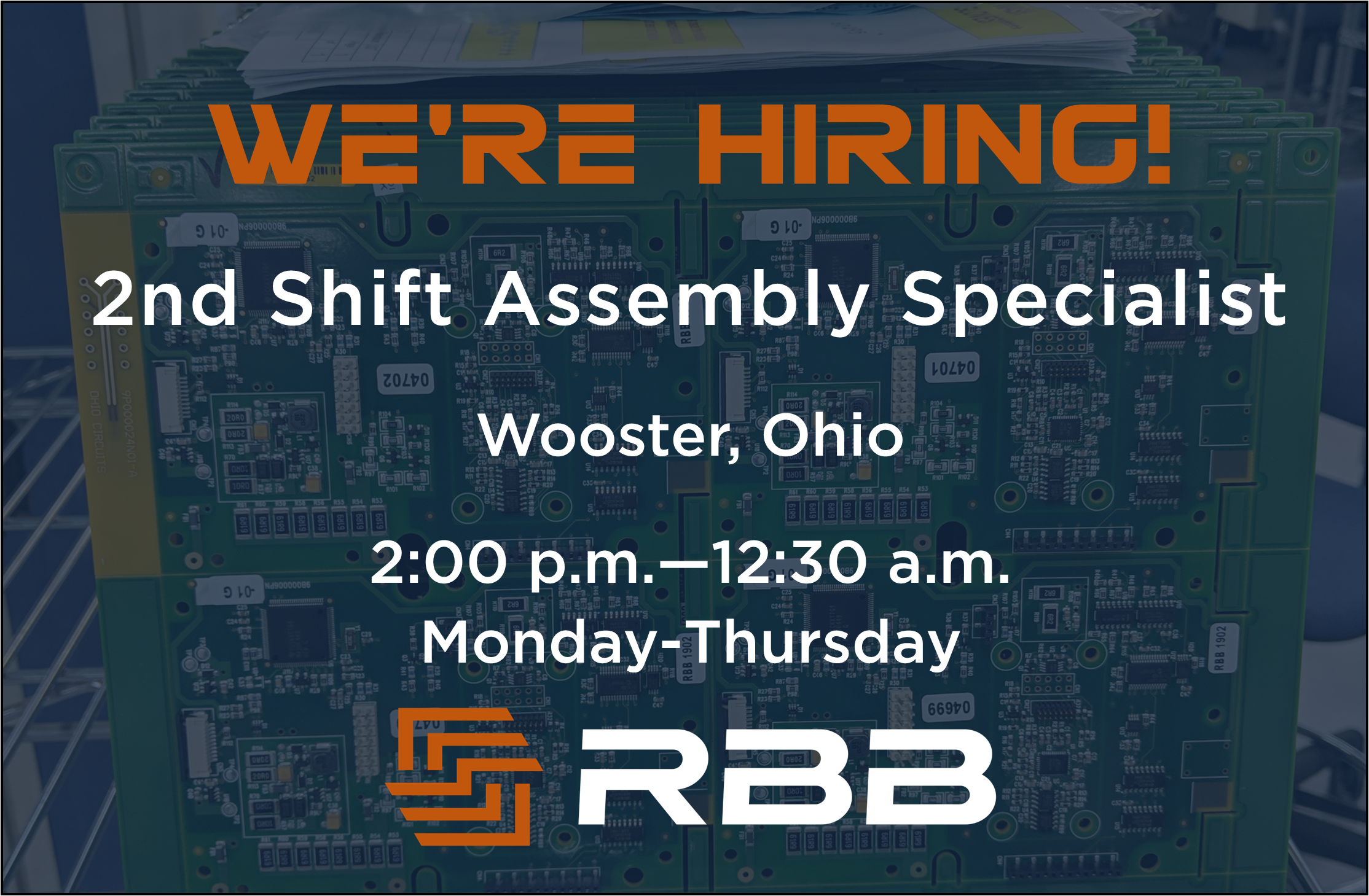
At RBB, we’re always looking for ways to improve how we serve our clients and prepare for what’s next. That’s why we’re excited to share an important expansion to our manufacturing operations: RBB officially added a second production shift on September 21, 2026.
The new shift expands our daily production capacity, gives our team greater flexibility in scheduling work, and allows us to make even better use of our manufacturing equipment and resources.
Most importantly, it gives us more capacity to support our customers as their needs grow and change.
Extending Our Production Day
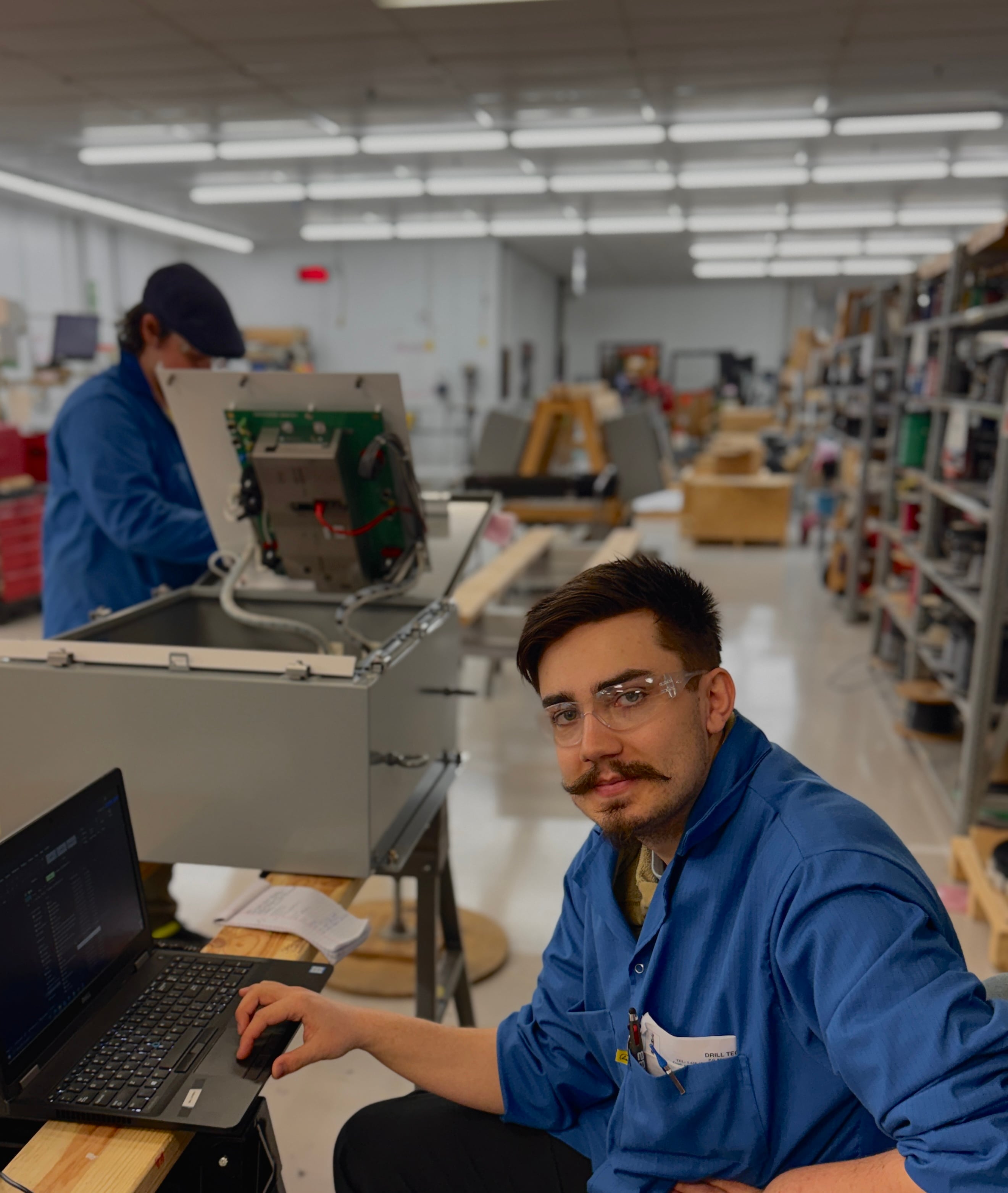
RBB’s manufacturing team now operates across two four-day shifts:
- First Shift: Monday–Thursday, 6:00 a.m.–4:30 p.m.
- Second Shift: Monday–Thursday, 2:00 p.m.–12:30 a.m.
- Fridays are still open for any needed overtime.
The overlap between shifts is intentional. It gives our teams time to communicate about jobs in process, priorities and any challenges that need attention before the next team takes over.
At the same time, the second shift significantly extends the number of hours our manufacturing equipment can be productive each day.
“The addition of a second shift represents an important step for RBB as we continue to strengthen our production capabilities and support our clients,” said Jeff Schartiger, Operations Manager at RBB. “By extending our operating hours, we can make better use of our manufacturing resources, increase available production capacity and provide additional flexibility as clients requirements evolve.”
What Does a Second Shift Mean for Our Clients?
For our clients, the biggest benefit is simple: more available production capacity.
Adding a second shift allows us to increase throughput without changing the approach that has made RBB a trusted electronics manufacturing partner since 1973.
That means we have more flexibility to manage changing production requirements, accommodate new programs and make better use of our equipment throughout the day.
It also supports the type of manufacturing RBB does best. Many of our customers aren't looking for a high-volume contract manufacturer running millions of identical assemblies. They need a partner who can manage low- to mid-volume production, changing requirements, mixed technologies, legacy products and projects that require hands-on attention.
Having additional production hours gives our team another tool to manage that complexity.
Growing Without Losing What Makes RBB Different
Adding capacity is important, but we also know that growth only matters if we continue delivering the quality, communication and reliability our customers expect.
Our second shift is designed to expand what we can accomplish while maintaining the processes, quality standards and collaboration that are already part of how RBB operates.
The overlapping schedules help our teams stay connected. Our four-day production schedule remains in place. And our focus remains exactly where it has always been: doing what it takes to support our clients and keep their projects moving.
It’s another example of our commitment to being Always Better.
Built for What’s Next
The addition of our second shift is an investment in RBB’s future—and in the clients who trust us with their products.
As manufacturing demand grows, we want to be ready. More operating hours give us additional room to support existing programs, welcome new projects and respond as our clients’ needs evolve.
We’ve been building electronics in Wooster, Ohio since 1973, and while a lot has changed during that time, our approach to partnership hasn’t.
We’re here to solve problems, communicate openly and move heaven and earth when our clients need us.
If you’re looking for an electronics manufacturing partner with expanded capacity for your next PCBA or assembly project, we’d be happy to start a conversation.
Learn more about RBB’s electronics manufacturing and PCBA capabilities at www.rbbsystems.com.
About RBB
RBB has provided customized electronics manufacturing solutions since 1973. Headquartered in Wooster, Ohio, RBB specializes in low- to mid-volume electronics manufacturing, including printed circuit board assembly (PCBA), box-build and system integration, industrial control panels, wire harness assembly and testing. RBB is committed to quality, responsive communication and building long-term partnerships with its clients.